Change Your Woodworking Experience: A Detailed Overview of Modern Equipment Options
Modern woodworking is advancing with the intro of innovative machinery. CNC routers and laser cutters enhance precision and effectiveness, making them very useful to woodworkers. These tools permit detailed designs while decreasing waste. The choice process can be frustrating. Comprehending the crucial features and just how to incorporate these technologies into conventional techniques is vital. What factors should one consider when selecting the appropriate equipment? The responses may change a woodworker's approach.
The Surge of CNC Routers in Woodworking
As woodworking continues to develop, the development of CNC routers has actually changed standard techniques right into innovative manufacturing processes. These computer-controlled equipments permit for specific cutting, shaping, and inscription of wood, greatly improving the efficiency and precision of woodworking jobs. Unlike hand-operated methods, CNC routers can replicate layouts with constant high quality, minimizing the threat of human error.
The adaptability of CNC routers makes them appropriate for a wide variety of applications, from detailed carvings to large-scale manufacturing runs. They can handle complicated geometries and different materials, catering to both enthusiasts and expert woodworkers.
Furthermore, the combination of CAD (Computer-Aided Design) software application promotes the smooth change from layout to production, permitting faster project turn-around times. Therefore, CNC routers are becoming increasingly prominent, enabling woodworkers to press the limits of creative thinking while enhancing their workflow. This technological improvement marks a remarkable change in the woodworking landscape.
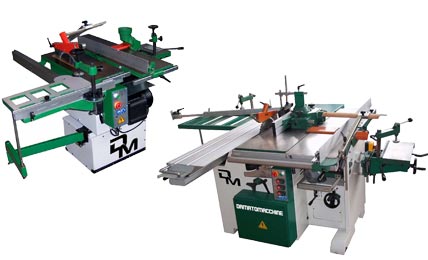
Exploring the Benefits of Laser Cutters
An expanding number of woodworkers are finding the benefits of laser cutters, which use unparalleled precision and flexibility in forming wood and other materials. These devices utilize highly focused laser beams to cut, etch, and engrave layouts with remarkable precision, permitting for intricate information that conventional techniques might battle to achieve. The capacity to promptly generate complex patterns can significantly improve productivity, allowing artisans to complete projects in a fraction of the time.
Furthermore, laser cutters create minimal waste, as the cutting procedure is precise and decreases excess product. This efficiency not only saves sources but also minimizes prices connected with resources. On top of that, their flexibility permits woodworkers to explore a series of products beyond timber, including acrylic and material, broadening imaginative possibilities. Subsequently, laser cutters are ending up being crucial tools in modern-day woodworking, attracting both specialists and hobbyists aiming to elevate their craft.
Important Functions to Look for in Modern Tools
When picking modern woodworking tools, 3 important attributes stick out: sturdiness, flexibility, and accuracy. Precision guarantees that every cut, finish, or joint is specific, leading to professional-quality results. Tools that provide exceptional precision not only improve the workmanship yet likewise lessen waste, conserving time and sources.
Longevity is crucial for long life and regular performance. Top notch products and robust building safeguard against damage, permitting tools to endure rigorous usage in different woodworking projects.
Versatility enables a single device to do multiple features, making it a useful addition to any kind of workshop. Tools that can adapt to various jobs and materials raise effectiveness and reduce the demand for extreme equipment.
How to Choose the Right Machinery for Your Jobs
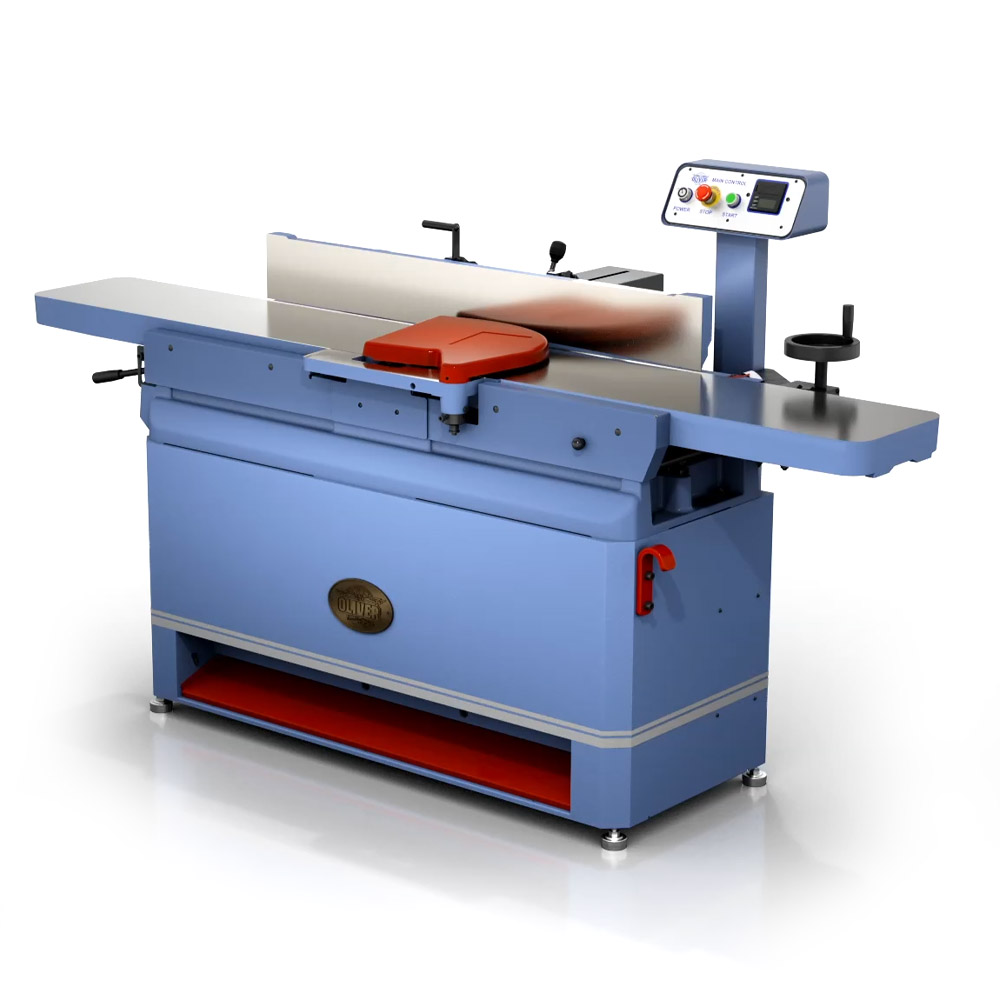
Additionally, budget constraints typically dictate machinery selections. Premium tools can be pricey, yet spending in trusted devices can improve efficiency and outcome top quality.
Power needs and the availability of replacement parts additionally merit consideration, especially for long-lasting upkeep.
Tips for Integrating Modern Technology Into Conventional Woodworking Strategies
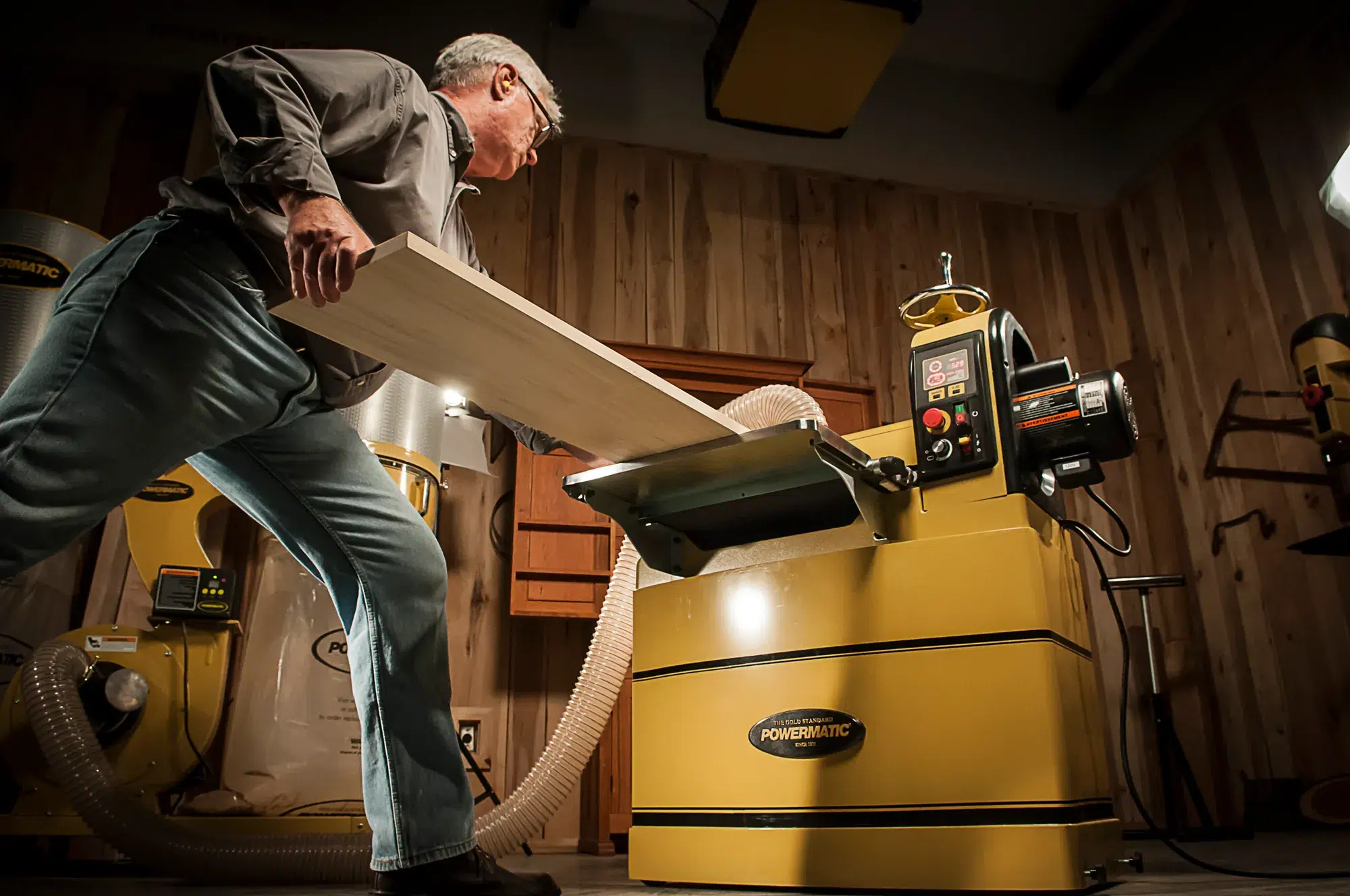
Integrating technology into traditional woodworking techniques can boost workmanship and efficiency. Woodworkers can start by using digital design software to develop specific plans and versions, permitting even more accurate cuts and joints. These programs can also facilitate the exploration of intricate designs that might be tough by hand.
Including CNC machines can furthermore streamline production, allowing artisans to duplicate detailed patterns with consistency. It is necessary to preserve the responsive experience of woodworking; combining CNC work with hand-finishing methods can yield extraordinary outcomes.
Taking on laser engraving devices enables personalization and thorough decorations, adding a contemporary touch to conventional pieces. On top of that, using electronic calipers and laser degrees can enhance dimensions, ensuring higher precision in every project. By blending these technologies with time-honored methods, woodworkers can preserve the artistry of their craft while embracing development.
Frequently Asked Inquiries
What Is the Typical Life-span of Modern Woodworking Machinery?
The ordinary lifespan of modern woodworking equipment normally ranges from 10 to two decades, depending upon upkeep, use, and high quality. Wood Glue Applicators. Normal servicing can extend this life expectancy, while forget may cause premature degeneration and malfunction
Just How Much Upkeep Do These Machines Usually Require?
Modern woodworking machinery commonly requires normal upkeep, including cleaning, lubrication, and routine examinations. This assures peak efficiency and long life, with many devices needing detailed maintenance every six months to a year, depending upon use strength.
Can I Use Conventional Methods With Modern Machinery?
Yes, standard strategies can be efficiently made use of along with modern-day equipment - Woodworking Machinery Products. Lots of artisans mix both techniques, boosting performance while preserving craftsmanship, allowing for a harmonious assimilation of classic approaches with contemporary devices in woodworking projects
What Security Features Should I Look for in Woodworking Makers?
When selecting woodworking devices, one ought to prioritize safety functions such as blade guards, emergency situation quit switches, anti-kickback tools, and dust collection systems, guaranteeing a safer working setting and lessening the threat of mishaps throughout procedure.
Are There Financing Options for Getting Modern Woodworking Equipment?
Many producers and merchants click resources offer funding alternatives for purchasing modern-day woodworking equipment. These may consist of installation plans, leasing agreements, and credit rating alternatives, enabling buyers to take care of expenses while purchasing crucial tools for their woodworking projects.
Modern woodworking is advancing with the introduction of innovative machinery. When choosing modern woodworking tools, three necessary attributes stand out: precision, adaptability, and toughness. The typical lifespan of contemporary woodworking equipment typically varies from 10 to 20 years, depending on use, high quality, and upkeep. Modern woodworking machinery usually requires routine maintenance, consisting of cleansing, lubrication, and periodic inspections. Several makers and stores offer financing choices for purchasing modern-day woodworking equipment.